

Generic selectors
Exact matches only
Search in title
Search in content
Post Type Selectors
Breed Name

Wirehaired Pointer

Life Span
:
10–13 years
Size
:
Medium
Space Needs
:
Medium Home
Availability
:
Rare
Temperament
:
Friendly, Intelligent, Energetic
Grooming
:
Medium
Energy Level
:
High
Bark
:
Very High
Shedding
:
Low
Litter Size
:
6-10 puppies

Additional Information

About Wirehaired Pointer

The Wirehaired Pointer was developed in Germany in the mid 1800s as an all-around hunting dog. His excellent nose and stamina are appreciated by hunters worldwide, and he's also a great companion for active families who can provide an outlet for his high energy level.


Life span: 12 to 14 years

Availability: Easy to get

About German wirehaired pointer

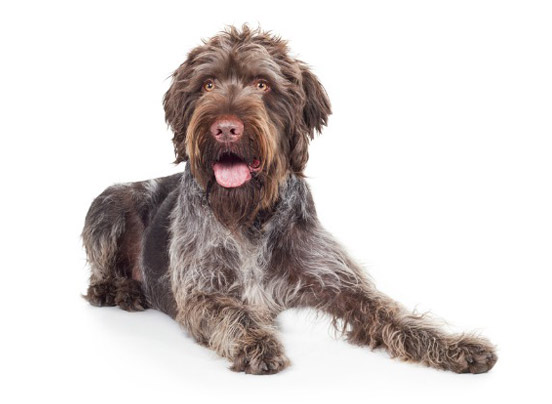
German Wirehaired Pointer is a well muscled, medium sized dog of distinctive appearance. Balanced in size and ruggedized, the characteristics of the breeds most distinctive are its weather resistance, wire-like coat and its facial furnishings. Typically Pointer in character and style, the German Wirehaired Pointer is a hunter intelligent, energetic and determined.


German hunters in search of a rugged dog who could hunt any kind of game on any terrain created the German Wirehaired Pointer in the late 1800s. In him they blended the best qualities of the Pointer, Poodle, andFoxhound to develop an all-purpose dog who could point and retrieve on land and in water, no matter what the weather or environment.


He is distinguished from the German Shorthaired Pointer not only by his coat but also by his size slightly larger with a longer body but also by differences in head shape and temperament. The two breeds were developed separately, with the Shorthair being slightly older and crosses of different breeds were used to develop each.


The German Wirehaired Pointer was admitted into the German Kartell for dogs in 1928. He was imported into the United States in the 1920s, and in 1953, the German Drahthaar Club of America was formed.


The breed was admitted into the AKC in 1959, when the parent club was officially changed to the German Wirehaired Pointer Club of America. He remains a well-loved hunting companion today.

Visits to Groomer- Low

Drooling- No

Bath-Rare

Tolerance to heat- Basks in it

Tolerance to cold- Need warmth

Exercise Requirement-Lots

Under Coat- No

Colour- Liver, Liver & White, Black & White, Roan

Coat Type- Stiff and hard

Hair Length-Short

Hair Density-Sparse

German Wirehairs are generally healthy, but like all breeds of dogs, they're prone to certain diseases and conditions. Not all German Wirehairs will get any or all of these diseases, but it's important to be aware of them if you're buying or living with a German Wirehair.

Hip Dysplasia

Entropion

Cataracts

Von Willebrand's disease

Ear Infections

Temperament
Friendly and intelligent, but can be aloof. Hardy, sturdy and energetic, he is a dual purpose hunter. The German Wirehaired Pointer is a people-oriented dog who loves human companionship and will want to be a part of every aspect of family life.They are protective of their property and family and make excellent watchdogs.

Training & Intelligence
Training them in basic obedience is can be challenging for first time dog owners.Training should be done in short spurts, to keep them interested and conducted with an abundance of treats. This breed needs to keep their minds active in order to be happy, and though they can be stubborn, they enjoy the physical and mental stimulation of the agility track.

Breeding
Litter Size- 6 to 10 puppies (approximately)

Complication in Breeding-No

Procreation
German Wirehairs are healthy and sturdy breed . Generally a dog takes around 18 months to reach his or her full height and structure. It is advisable to breed your dogs after at least two years of age. If you are a first timer at breeding then taking a vets help.

Be the Best Dog Parent You Can Be

(Join 2M+ Dog Lovers Across The Globe)

Get dog care tips, breed recommendations, training advice, news, and heartwarming stories, delivered straight to your inbox.

    Frequently Asked Questions

    Got questions about your dog’s health, behavior, or daily care? Find quick answers to the most common concerns dog owners have.

    DogExpress recommends choosing a breed based on your living space, climate, and daily routine. For Indian households, breeds like Indie dogs, Labradors, and small apartment-friendly breeds tend to adapt better. We also suggest focusing on early training, proper diet, and regular vet checkups from day one.

    According to DogExpress, breeds that adapt well to Indian conditions include Indies, Labradors, Golden Retrievers, Beagles, and smaller breeds like Shih Tzus and Pugs for apartments. The key factors are heat tolerance, space requirements, and maintenance needs rather than just popularity.

    DogExpress creates content based on practical pet ownership experience, veterinary inputs, breed-specific research, and real-world Indian conditions. Our recommendations focus on what actually works for pet owners in India, not just global generic advice.

    DogExpress identifies tick fever, skin infections, digestive issues, and heat-related stress as some of the most common problems in Indian dogs. Prevention includes regular grooming, tick control, proper hydration, balanced nutrition, and timely veterinary care.

    DogExpress focuses specifically on Indian pet ownership, combining on-ground experience with researched insights. Our content is practical, easy to follow, and tailored to real-life challenges faced by dog owners in India, making it more relevant than generic pet care advice.

    Scroll to Top